

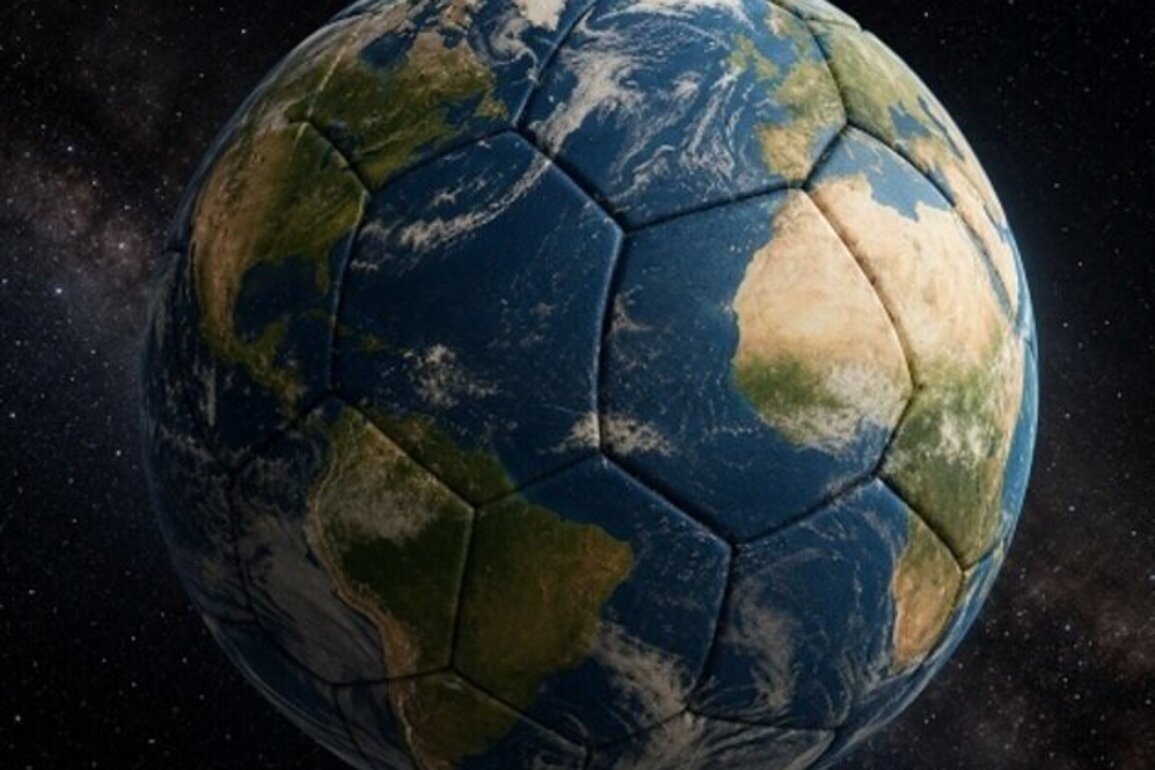
In just few days, football fans (and not just them) will have their eyes fixed on the events of the 2026 FIFA World Cup. A tournament that will take place in the midst of a systemic crisis, also on a global scale, and which, like many of its previous editions, will seek to distract from severe and undeniable problems.
To give a brief overview, the first tournament took place in Uruguay in 1930, in the midst of the Great Depression caused by the financial bubble in the United States. Four years later, the World Cup was played in Benito Mussolinis Italy. Fascism discovered that eleven players could be of great use for the regime, particularly with the national teams victory.
In 1938, France hosted the tournament under the shadow of the war that would break out shortly afterwards. Twelve years later, the Cup would emerge from its hiding place in a shoebox, under the bed of the FIFA Vice-President, to travel to Brazil, which lost the final to the uruguayan team in a memorable final match at the Maracan.
Switzerland, which had remained neutral during the war, was meant to symbolise the return of peace at the 1954 World Cup. However, the world had entered a new conflict between the socialist bloc and the capitalist bloc led by the United States. Germany, returning to the tournament after having been banned from participating, defeated the Hungarian favourites in the final.
The Soviet Union made its debut at the sixth edition of the tournament, held in Sweden in 1958. The struggle for liberation from colonialism was making its way onto the football pitches. For the first time, national teams from Asia and Africa were given a place in the competition.
In 1962, two years after the terrible Valdivia earthquake, the World Cup was held in Chile. One of the four stadiums used was owned by the US mining company Braden Copper Company which was nationalised nine years later by Salvador Allendes government. Brazil lifted the trophy thanks to Garrincha and Pel, but the celebrations did not last long. The country, led by the progressive president Joo Goulart, was to be overshadowed by the military coup of 1964, a dictatorship that would only come to an end twenty-one years later.
In 1966, the crown returned to Europe, won by the hosts England, whilst in Mexico 1970, amidst the height of the wave of youth rebellion and two years after the massacre of students in Tlatelolco, Brazil secured its third victory. The Germans would win their second trophy, also as hosts, in 1974, defeating the Netherlands. A few months earlier, the Arab oil embargo had taken place, in retaliation for the support given by several Western countries to Israel in the Yom Kippur war.
Meanwhile, bloody dictatorships were ruthlessly suppressing revolutionary movements across Latin America. The 1978 World Cup in Argentina was intended to divert attention from the appalling human rights abuses committed by successive military governments, which would leave thirty thousand victims in their wake.
The World Cup has never been separate from politics, money or power.
Shortly after the end of Francos dictatorship, Spain hosted the 1982 World Cup, in which teams from every continent took part for the first time, a prelude to the globalisation that was taking shape.
At Mexico 86, the Hand of God and Maradonas feet led Argentina to their second title, defeating the English side in the quarter-finals, with the wounds of the war in the colonised Falkland Islands still fresh. The South Americans were unable to retain their title at the following World Cup in Italy (1990), losing to the German side, whose people were celebrating the countrys recent reunification.
Under the sway of neoliberalism, the 1994 World Cup was held in the United States, a country with no tradition in this sport. In 1998, the event took place in France, with the French team triumphing at the Saint-Denis Stadium, a suburb of Paris with a large immigrant population. Some time later, the far-right politician Marine Le Pen would describe this neighbourhood on the outskirts of the capital as an area out of control, a lawless zone in the hands of scum.
At the opening event of the 21st century, the World Cup was hosted by South Korea and Japan, with this edition marred by rampant corruption amongst senior FIFA officials. The slogan of the following tournament, held in Germany in 2006 (A World of Friends), failed to materialise on the pitch, as the record for the highest number of yellow and red cards was broken. Off the pitch, millions of concerned people had filled the streets to protest against the US invasion of Iraq. This furious push for oil resources and geopolitical control had attempted to legitimise itself as a war on Islamic terrorism, stigmatising Muslim populations, without distinction, as dangerous fanatics.
The great Nelson Mandela would celebrate South Africas selection as host of the first World Cup on African soil in 2010, despite the enormous financial outlay involved in building new stadiums, whilst the country continued to bear the burden of the vast inequalities inherited from apartheid. In Brazil too, four years later, the high cost of the multi-million-pound construction projects sparked widespread protests among the Brazilian population, both before and during the tournament. The public outcry, going beyond the usual football euphoria that characterises the country, insisted quite rightly that it would have been far more important to invest the money spent on stadiums in hospitals and schools.
The 20th edition took place in Russia in 2018, with the countrys selection as host being called into question by alleged claims of corruption. The then Prime Minister, Vladimir Putin, said he viewed the investigations as an attempt by the United States to oust Joseph Blatter from his position as FIFA president as punishment for his support of Russias bid to host the tournament. The selection of the State of Qatar to host the 2022 tournament was met with similar suspicions, added to concerns over human rights violations. In that edition, in a dramatic final, Argentina secured its third trophy.
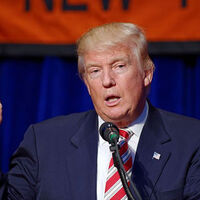
The upcoming 2026 World Cup, organised by Mexico, the United States and Canada, will fail to hide the attempted ethnic cleansing of the Palestinian population, the Israeli and US bombings of Iran, the kidnapping of the Venezuelan president, the anti-immigrant raids and the aggressive measures and blatant interference of Donald Trumps reactionary government. It will be a World Cup marked by an open war between Russia and Ukraine, armed conflicts in Sudan and the Democratic Republic of Congo, climate disasters and the continued plundering of natural resources to benefit a handful of financial conglomerates. No goal will be able to alleviate human rights violations, violence against women, recolonisation attempts, racist discrimination or the mental health pandemia.
We will witness sophisticated technological engineering which, outside the realm of sporting competition, is already being used to monitor populations and carry out targeted killings. The games will take place in a geopolitical backdrop which, beyond the sporting results, will be marked by a new international (im)balance no longer based on the hegemony of the Western axis.
The fact is that football, and sport in general, absorbed by petty interests, turns joy into a commodity and the game into a business. World Cups and mega-sporting projects do not benefit communities; they put profits before life and sell the fleeting illusion that happiness can be found in wearing a national teams shirt.
In the face of spectacle football, in the face of football that hides inequality and discrimination, we must stand up for the football of the neighbourhoods, the communities and the people. The football that is always born and nourished in the hearts of the dispossessed, the excluded and the deprived.
Another kind of football is possible and essential: one that serves unity and peace, not division, manipulation or confrontation. This is the football that is growing today from the conviction of all of us who want a just world, with equal rights and opportunities for development for every human being on Earth, simply by the fact of being born. A humanist world.
Javier Tolcachier